






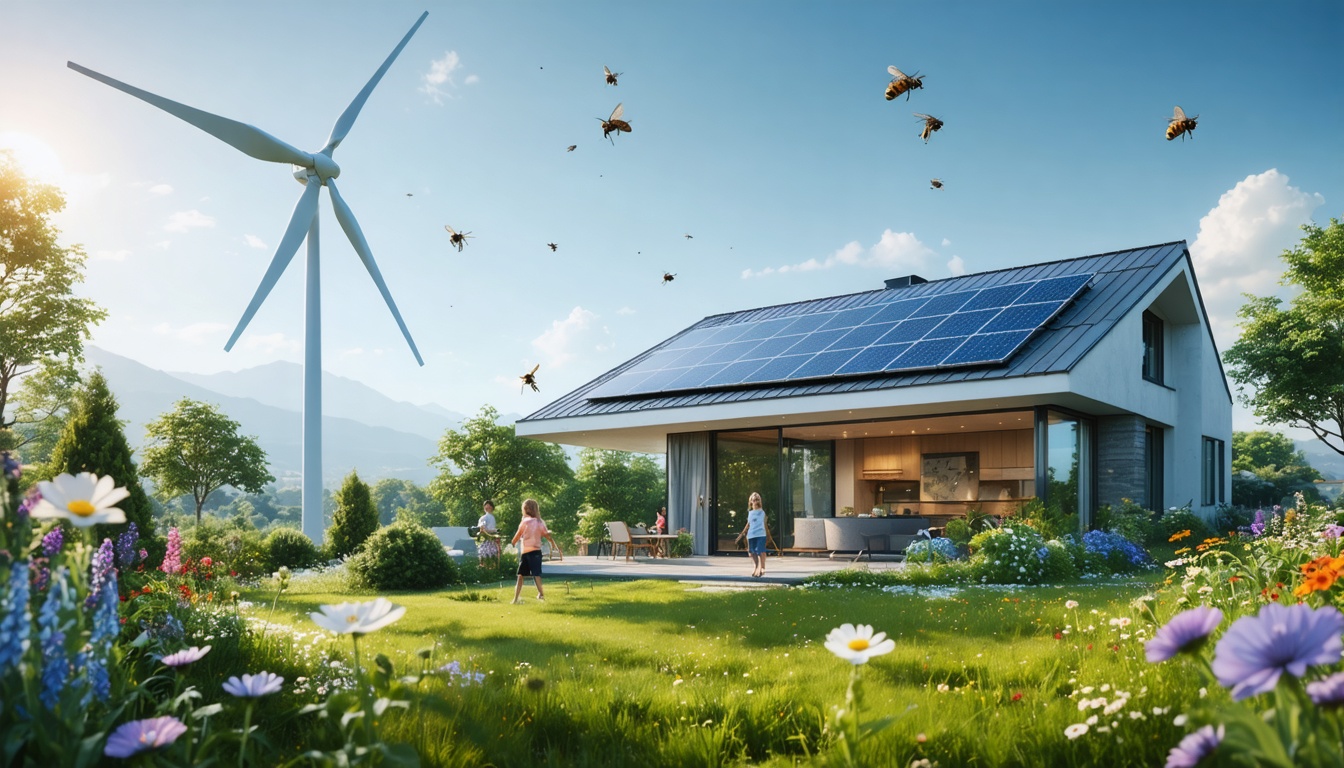
The Environmental Benefits of Choosing Renewable Energy at Home
Choosing renewable energy for your home can have a significant impact on the environment. By using energy sources such as solar, wind, and hydro, you can reduce harmful greenhouse gas emissions that contribute to climate change. This transition can lead to cleaner air quality, which has associated health benefits for residents by reducing respiratory issues linked to air pollution. Furthermore, renewable energy systems often require less water for electricity generation compared to fossil fuel sources, which can help conserve valuable water resources. The reduction in water usage is particularly relevant in areas facing drought or water scarcity. In addition to environmental benefits, utilizing renewable energy can stimulate local economies. Investments in renewable energy infrastructure often lead to job creation in manufacturing, installation, and maintenance. This can provide economic support to communities and contribute to energy independence. Overall, opting for renewable energy not only contributes to environmental sustainability but also offers potential health benefits and supports local economic growth. By analyzing these factors, it becomes evident that the choice to invest in renewable energy can have wide-ranging advantages.
Understanding Renewable Energy and Its Sources
When integrating renewable energy into residential settings, it is important to understand the primary sources that are available. These include solar, wind, hydroelectric, geothermal, and biomass energy. Each of these sources is derived from natural processes that are continually replenished, which is a key factor in their sustainability.
Solar energy, such as that provided by Stamford, CT Solar Company, harnesses sunlight, whereas wind energy is produced from the kinetic motion of air. Hydroelectric power depends on flowing water to generate electricity, while biomass energy makes use of organic materials, often waste products, for power generation.
In contrast to conventional fossil fuel sources, these renewable energy options generally result in lower emissions of greenhouse gases and pollutants, thereby supporting environmental sustainability initiatives.
The United Nations' Sustainable Development Goals highlight that the adoption of renewable energy sources contributes to achieving Net Zero emissions, which supports the transition toward a cleaner energy sector. Additionally, investments in renewable energy technologies are expected to create job opportunities, thereby benefiting the economy while addressing energy demands.
Overall, the transition to renewable energy presents a practical approach to meeting energy needs in residential areas and is aligned with broader efforts to mitigate climate change impacts.
The Role of Renewable Energy in Reducing Greenhouse Gas Emissions
Fossil fuels continue to be a primary source of global energy production; however, renewable energy sources are increasingly recognized for their potential role in reducing greenhouse gas emissions. The integration of renewable energy in residential settings allows individuals to contribute to the broader transition toward cleaner energy systems, aligning with objectives outlined in the United Nations Sustainable Development Goals and the Paris Agreement.
Renewable energy sources, including wind, solar, and hydroelectric power, are associated with minimal greenhouse gas emissions during operation. This characteristic can facilitate a cleaner supply of electricity and heating, often with lower long-term costs.
The need for significant emissions reductions—estimated at approximately 50 percent by 2030—highlights the urgency of moving away from fossil fuel dependency. This transition is linked to several potential benefits, including economic savings on energy expenditures.
Moreover, the shift to renewable energy has implications for public health and quality of life. Improved air quality as a result of reduced fossil fuel use may lead to better health outcomes for communities.
Additionally, addressing climate change through renewable energy solutions supports energy security and resilience. In summary, the adoption of renewable energy is an essential strategy for mitigating climate change impacts and promoting sustainable development.
Air Quality Improvements with Clean Energy Choices
Transitioning to renewable energy in residential settings can notably enhance air quality at both local and regional levels. The burning of fossil fuels, primarily for electricity generation and heating, is a major contributor to air pollutants and greenhouse gas emissions. These emissions are linked to various health problems and environmental issues. In comparison, renewable energy sources such as solar and wind power produce energy with minimal to no greenhouse gas emissions, which can lead to improvements in air quality.
The health effects of pollution from fossil fuels are significant; estimates indicate that nearly 7 million premature deaths each year are associated with air quality issues stemming from fossil fuel combustion. This ongoing challenge also carries substantial economic costs, which are estimated to be in the trillions of dollars worldwide, largely due to healthcare expenses and lost productivity.
Efforts to achieve Net Zero emissions focus on decreasing reliance on fossil fuels, which aligns with multiple Sustainable Development Goals (SDGs). Such efforts not only facilitate environmental sustainability but also support public health and contribute to a more robust energy infrastructure.
Therefore, the transition to cleaner energy sources addresses both ecological concerns and societal health needs.
Conserving Water and Protecting Ecosystems
Adopting renewable energy sources at home has been shown to have a positive impact on water conservation and ecosystem protection. Unlike fossil fuel technologies, which typically require significant water for processes such as cooling and extraction, solar and wind energy systems function with minimal water usage and produce negligible greenhouse gas emissions.
The shift to these renewable energy sources is important for preserving aquatic habitats and mitigating pollution resulting from oil and gas activities.
According to the United Nations Sustainable Development Goals, the promotion of renewable energy is a critical component of sustainable development. Access to clean water is essential for many communities worldwide, making its preservation a priority.
By reducing reliance on fossil fuels, households can contribute to the broader objectives of achieving Net Zero emissions and enhancing environmental sustainability for future generations. This transition not only addresses issues related to climate change but also aids in the conservation of water resources and the protection of sensitive ecosystems.
Economic Advantages Linked to Home Renewable Energy Adoption
Investing in renewable energy for residential use offers several economic benefits, though it entails some initial financial investment. Data from the United Nations indicates that over time, solar energy tends to be about 41 percent more cost-effective than traditional fossil fuel energy sources. Homeowners can achieve immediate savings on electricity and heating expenses, and there may also be an increase in property values as demand for energy-efficient homes rises.
The development of the clean energy sector is associated with job creation, positively affecting local economies. Various studies show that government incentives can further improve the financial viability of renewable energy investments by mitigating the initial cost barriers for homeowners.
Moreover, utilizing renewable energy sources has broader economic implications. Increasing electricity generation capacity through renewables supports the transition to a cleaner economy, aligning with global Sustainable Development Goals.
While the upfront costs of adopting residential renewable energy can be significant, the long-term economic benefits warrant serious consideration for potential investors.
Health Benefits of Reducing Fossil Fuel Use
Homeowners often prioritize cost savings when evaluating energy options. However, it is important to recognize the health implications associated with fossil fuel use.
Globally, fossil fuel consumption contributes to approximately 7 million premature deaths each year, with air pollution from energy production being a significant factor. Transitioning to renewable energy sources can substantially reduce or eliminate the emissions of greenhouse gases and harmful particulates, which in turn improves air quality in both residential areas and larger communities.
The United Nations highlights that strategies aimed at achieving Net Zero emissions could alleviate the considerable economic burden imposed by air pollution, which is estimated to cost around $8.1 trillion annually.
This transition is not only pertinent to public health considerations but also aligns with the Sustainable Development Goals, thereby fostering progress toward a healthier environment.
Empowering Households for a Sustainable Future
As households evaluate their energy options, the transition to renewable energy sources presents a significant opportunity for individuals to support environmental sustainability. Utilizing renewable sources, such as solar and wind energy, can lead to a measurable reduction in greenhouse gas emissions and air pollutants, which is consistent with goals established by the United Nations Sustainable Development Goals and the Paris Agreement.
Economic assessments indicate that renewable energy is often more cost-effective than traditional fossil fuels. The decreasing costs associated with solar and wind technologies, in conjunction with advancements in efficiency, have enhanced the accessibility of these energy options. This shift not only presents environmental advantages but can also promote job creation in sectors that focus on clean energy manufacturing and installation.
Moreover, achieving Net Zero emissions requires a deliberate decrease in dependency on fossil fuels. Renewable energy sources are increasingly responsible for generating significant new electricity capacity, thereby contributing to the global economy and diversifying the energy mix.
It is crucial for households to understand the impact of their energy choices within this larger framework, as individual decisions can contribute to broader changes in energy consumption patterns.
Conclusion
Opting for renewable energy in your home results in several environmental benefits. Firstly, it reduces your carbon footprint, which is crucial for mitigating climate change. Additionally, renewable energy sources such as solar and wind power minimize air pollution, leading to improved air quality and associated health benefits. Furthermore, renewable energy systems often use significantly less water compared to conventional energy sources. This is important in regions facing water scarcity, as it helps conserve a vital resource. By harnessing renewable energy, homeowners can also aid in the preservation of biodiversity. For instance, reduced reliance on fossil fuels can lessen the habitat destruction often associated with oil drilling and coal mining. In addition to environmental advantages, transitioning to renewable energy can positively impact local economies by creating jobs in the solar and wind industries. This shift can promote energy independence, reducing reliance on imported fuels. The cumulative effects of these actions contribute to a more sustainable future, benefiting both the local community and the global environment. By making informed choices about energy consumption, individuals can take steps toward fostering a healthier ecosystem.